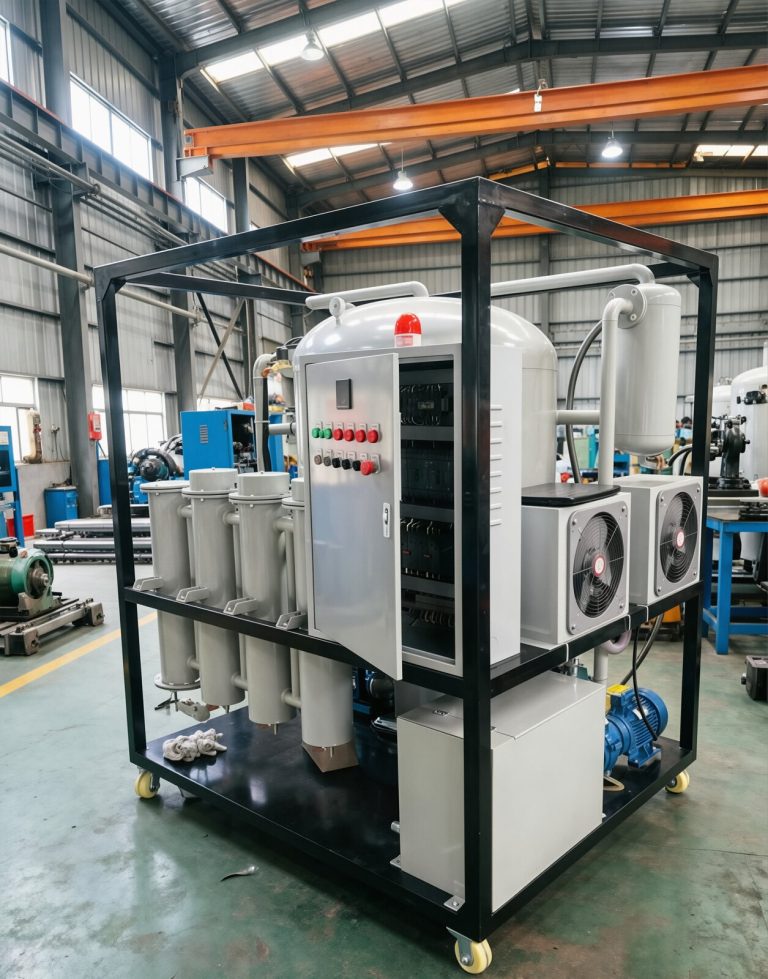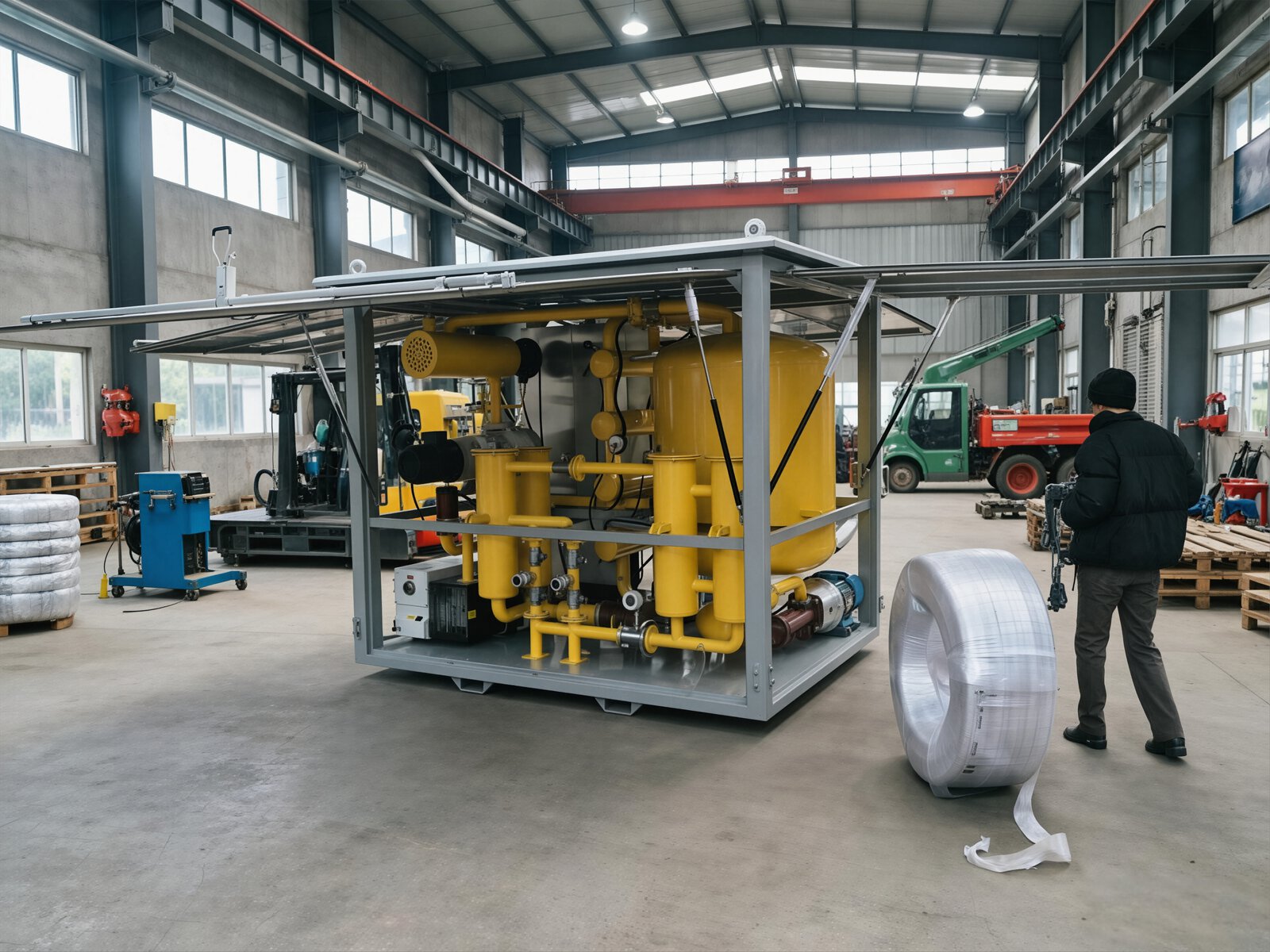
7 Common Mistakes When Selecting Double-Stage Vacuum Oil Purifiers
7 Common Mistakes When Selecting Double-Stage Vacuum Oil Purifiers
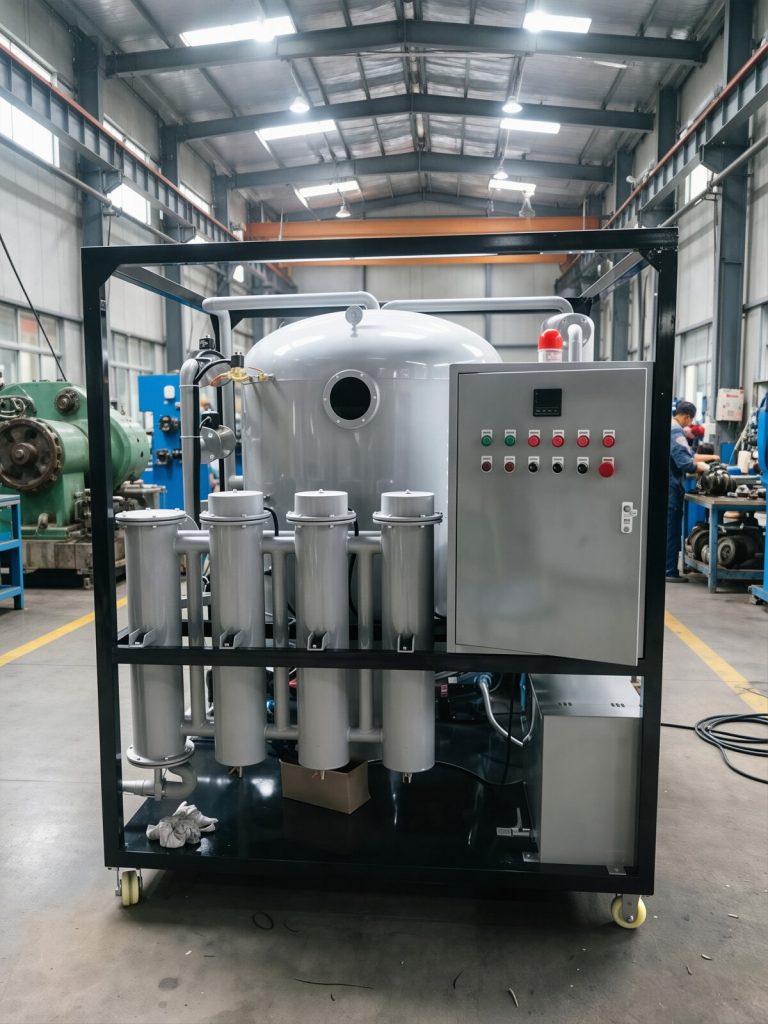
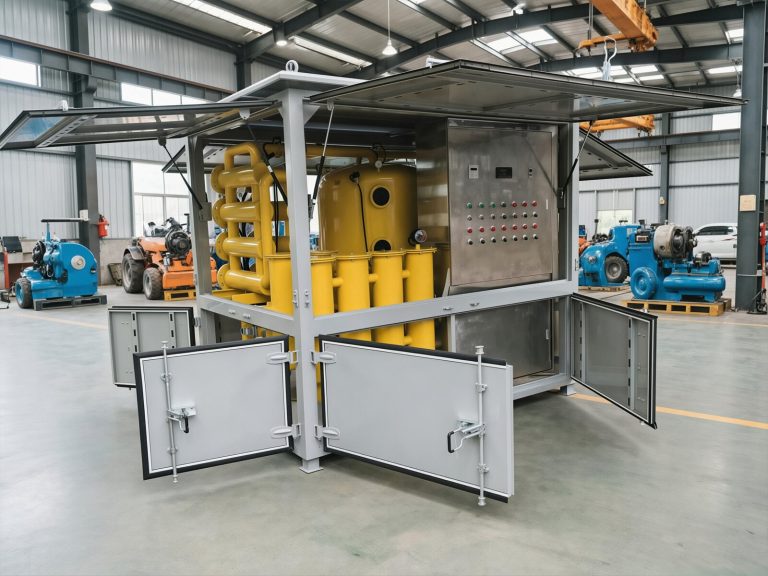
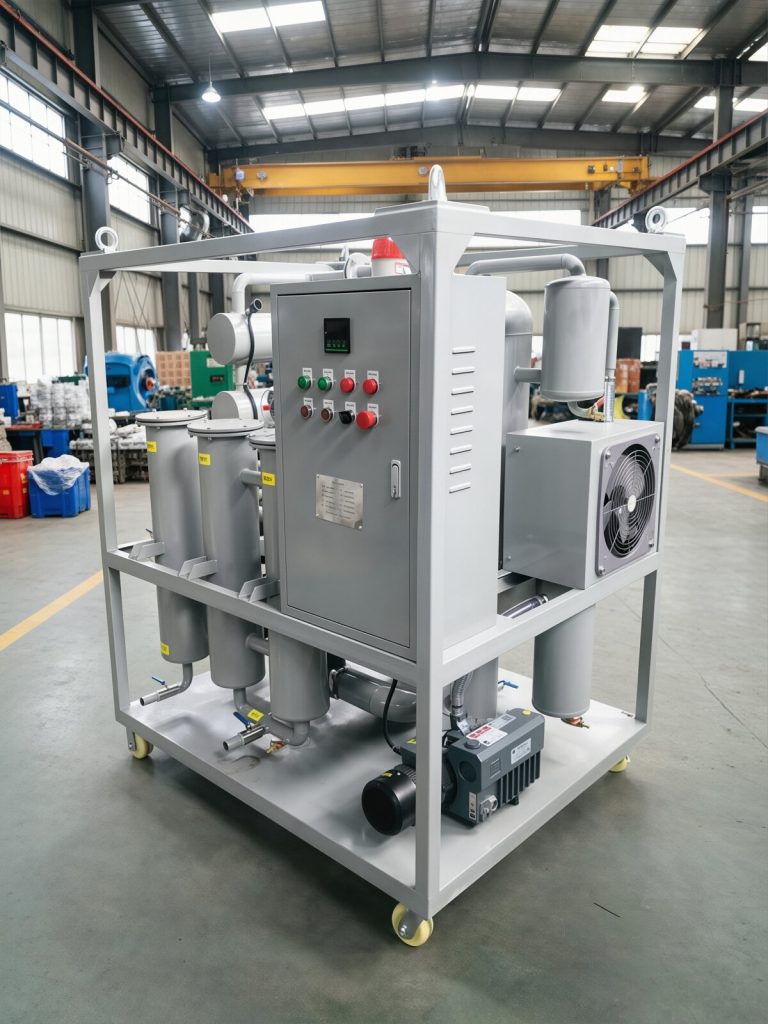
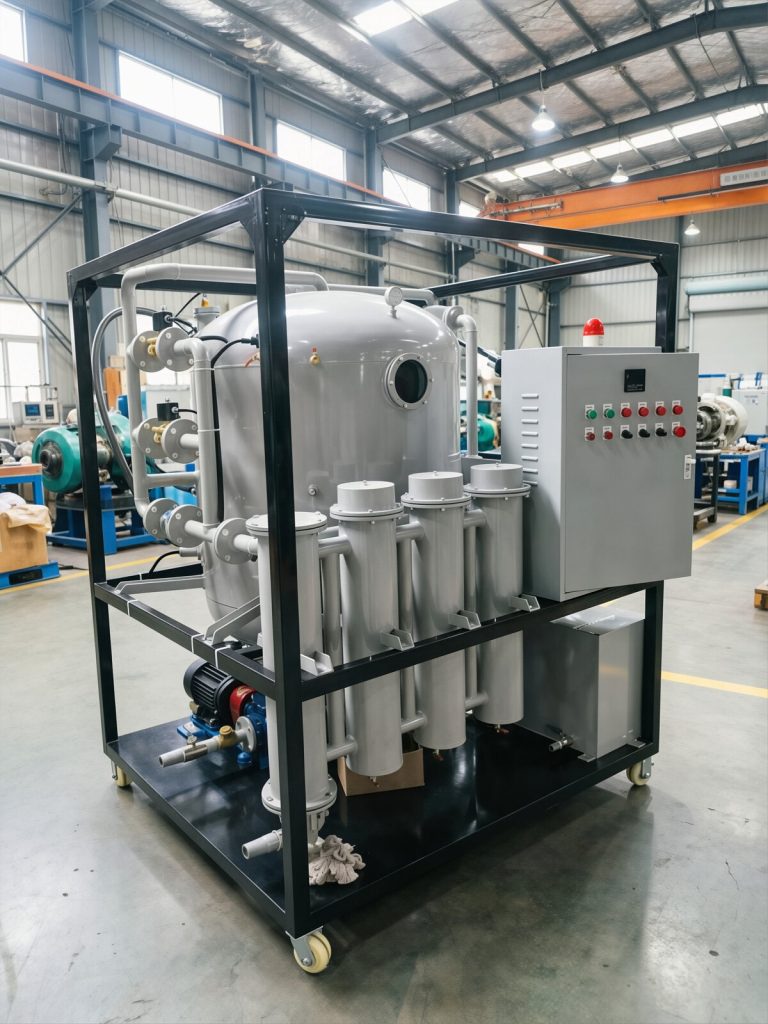
Proper selection of vacuum oil purifiers directly determines equipment return on investment. As premium oil purification equipment, double-stage vacuum oil purifiers represent significant capital expenditure. Wrong selection not only wastes funds but may fail to meet actual production needs. This article outlines 7 common selection mistakes to help buyers make more informed decisions.
Mistake 1: Focus Only on Price
Some buyers choose the lowest bidder. However, vacuum oil purifier performance depends on multiple factors including vacuum level, heating efficiency, filtration precision, and automation. Low-priced products often compromise these critical metrics, leading to frequent oil quality issues.
Mistake 2: Oversized Flow Configuration
Many buyers select oversized flow units based on a “bigger is better” mindset. However, oversized flow means higher energy consumption, larger footprint, and higher capital cost. Proper selection should match actual oil processing needs with 20% margin.
Mistake 3: Ignoring Vacuum Level Specifications
Vacuum level is the most critical performance metric for double-stage vacuum oil purifiers. Equipment with vacuum level below -0.090MPa will have significantly reduced dehydration and degassing performance. Buyers should focus on ultimate vacuum level rather than vague marketing descriptions.
Mistake 4: Not Considering Oil Compatibility
Different oils have different viscosity, corrosiveness, and cleanliness requirements. Some purifiers designed for transformer oil cannot be directly used for turbine or hydraulic oil. Buyers should clarify oil types and confirm equipment applicability with the supplier.
Mistake 5: Neglecting After-Sales Service
Vacuum oil purifiers are complex electromechanical-hydraulic equipment requiring periodic maintenance, parts replacement, and technical support. Choosing suppliers with inadequate after-sales networks may result in prolonged downtime when issues arise.
Mistake 6: Blindly Pursuing Multi-Functionality
Some suppliers advertise equipment integrating vacuum dehydration, filtration, heating, regeneration, and more. However, more features mean more complex structure and potentially lower reliability. Buyers should select core features based on actual needs.
Mistake 7: Ignoring Operator Training
Even high-quality equipment cannot perform to specification without properly trained operators. Buyers should require suppliers to provide comprehensive technical training and operation manuals.
Conclusion
Equipment selection requires balanced consideration of multiple factors. Price is just one dimension. Flow, vacuum level, oil compatibility, after-sales service, and operator training are all critical. With 20 years of vacuum oil purifier manufacturing experience, Chongqing Yanneng provides customized selection solutions for different industries; please call 400-023-9089 to consult our technical team.